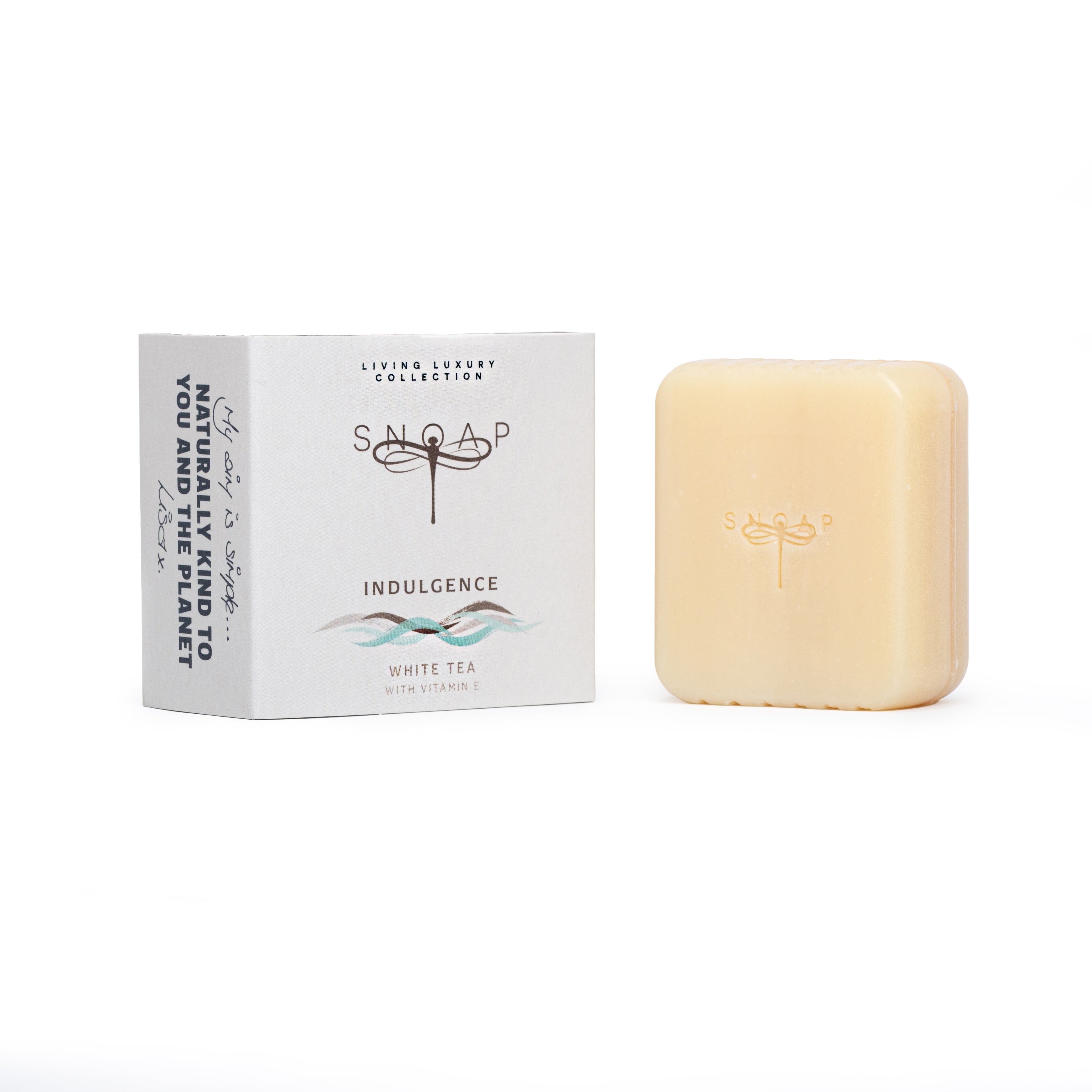

Liquid Soap Became the Default
Over the past two decades, liquid hand wash and shampoo quietly became the norm.
Pump dispensers replaced bars. Bottles multiplied in bathrooms. Convenience took priority, and washing became something we barely thought about.
It felt modern. Efficient. Easy.
But as habits settle, they’re rarely questioned — until something prompts us to look again.
For many households, that moment is happening now.
The Hidden Cycle Behind Every Bottle
Liquid soap isn’t just a product — it’s a system.
It relies on:
-
repeated plastic packaging
-
transporting water-heavy formulations
-
detergent-based ingredients designed for stability
-
constant replacement
Each bottle solves today’s wash but recreates tomorrow’s purchase.
It’s a loop most of us never intended to join — it simply became the default.

What Liquid Does to Skin and Scalp
For many people, the shift away from liquid begins with how their hands and hair feel.
Frequent washing with detergent-led formulas can leave:
-
hands feeling tight or dry
-
scalps over-cleansed
-
hair needing more conditioner to rebalance
Solid soap and shampoo bars, particularly those retaining natural glycerine, often feel different from the first few uses.
Not dramatic. Just gentler. More balanced. Less stripped.
It’s one of the main reasons people who switch rarely go back.
The Environmental Cost We Don’t See
Plastic bottles are the most visible part of liquid washing — but they’re not the only impact.
There’s also:
-
energy to manufacture packaging
-
emissions from transport
-
wastewater containing detergent residues
-
short lifecycle use
None of this is visible at the sink. But it accumulates.
And as awareness grows, more households are asking whether the convenience of liquid is worth the long-term cost.
Why the Conversation Changed After Dragons’ Den
Our appearance on Dragons’ Den didn’t just bring attention to SNOAP — it brought attention to the bigger question:
Is there a better way to wash?
Since the episode aired, we’ve seen growing curiosity around refillable systems, soap bars and liquid alternatives.
Not from niche eco consumers — from everyday households.
Families. Professionals. Parents.
People who simply want a smarter, simpler routine.
Enter the Refillable Alternative
Refillable soap dispensers change the structure of washing entirely.
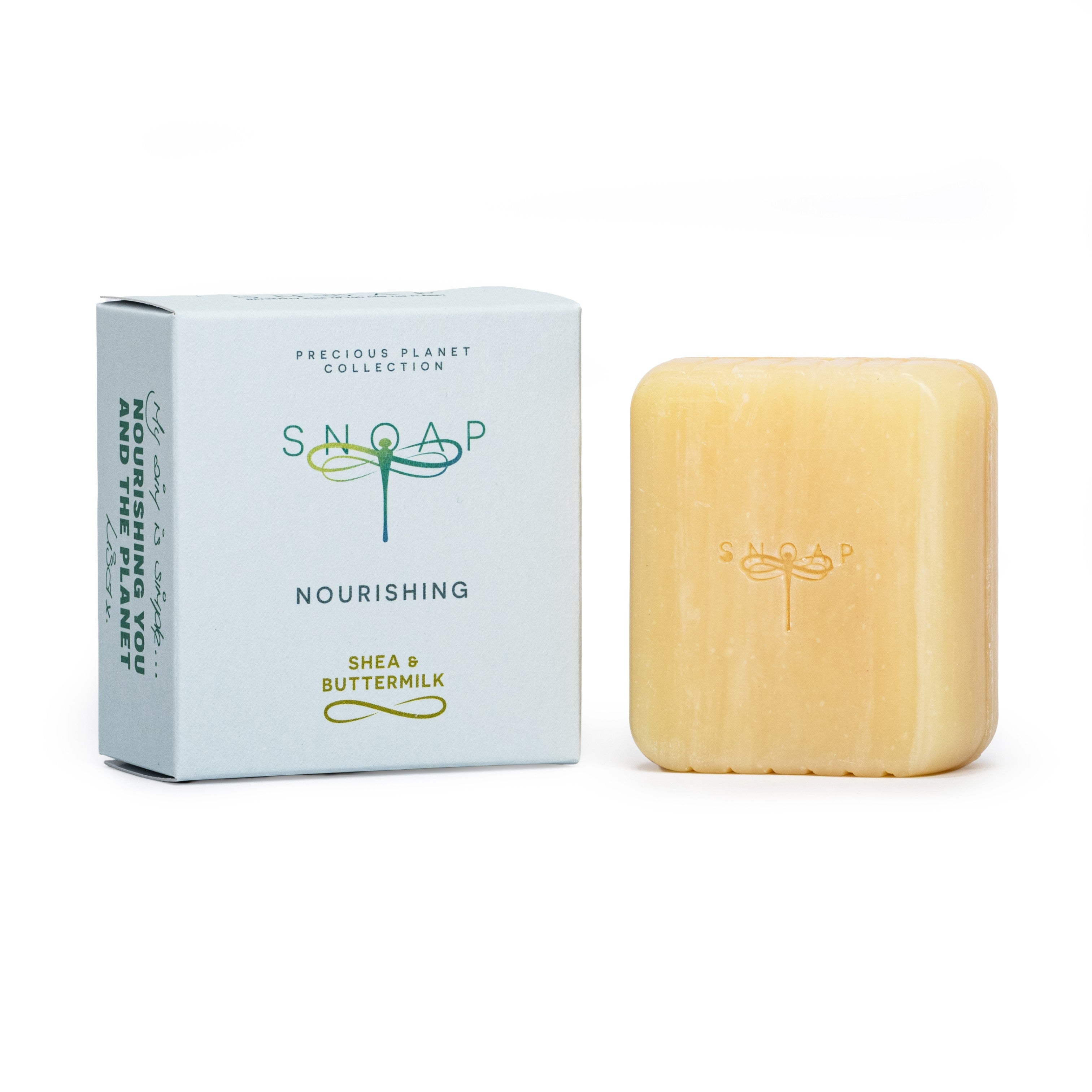
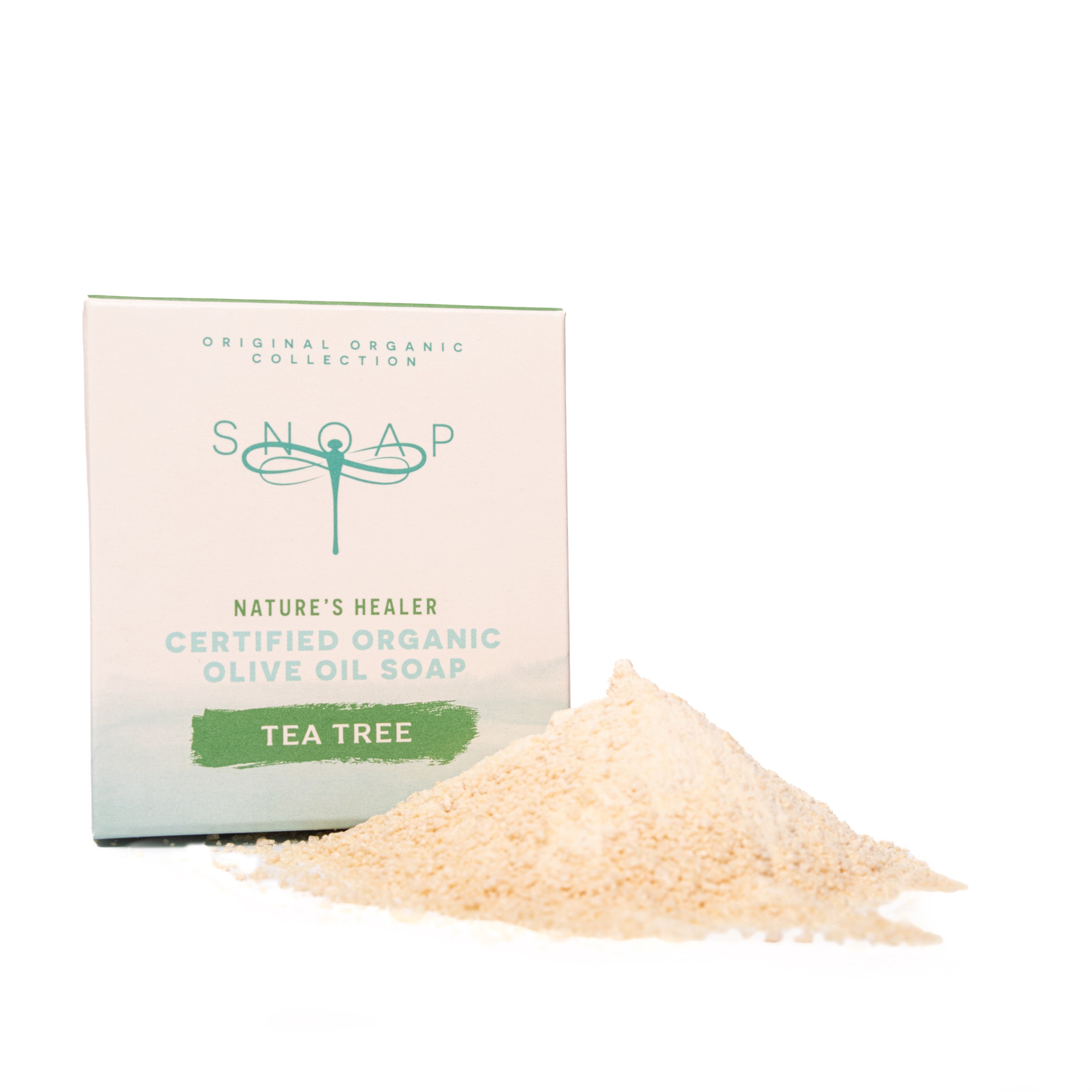
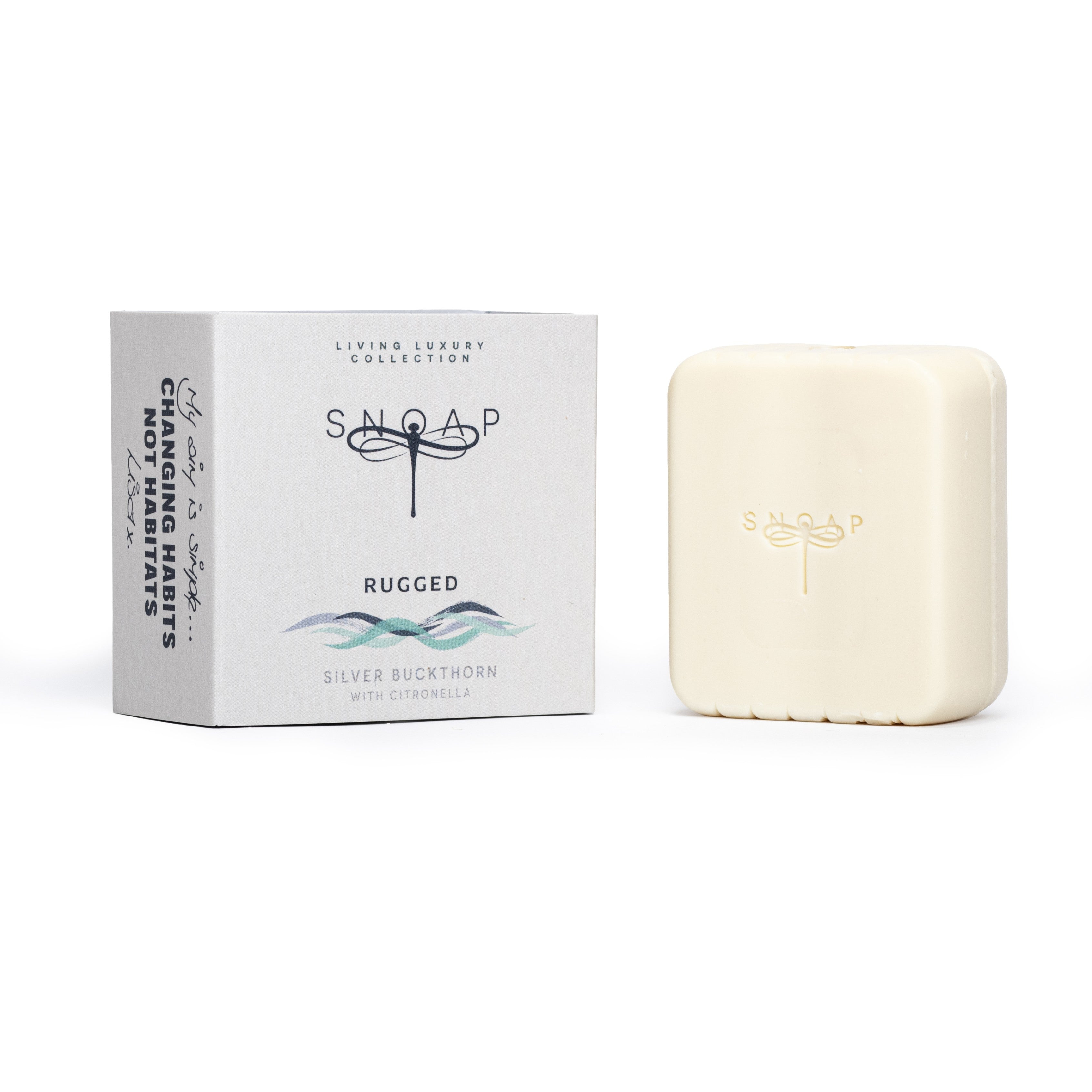
Instead of replacing a bottle every few weeks, households refill with solid bars that:
-
last longer
-
reduce packaging/remove single-use plastic
-
simplify storage
-
shift away from liquid dependency
The experience stays familiar — but the cycle changes.
Less replacing.
More refilling.
More intention behind everyday washing.
This Isn’t About Going Backwards
Switching from liquid to solid isn’t a step into the past.
It’s a move toward:
-
better formulation awareness
-
more conscious consumption
-
products designed for longevity
-
routines that feel simpler, not more complicated
Modern convenience doesn’t have to mean disposability.
And increasingly, households are realising that.

A Different Way to Wash
The real shift isn’t about soap vs liquid.
It’s about:
-
disposable vs refillable
-
automatic vs intentional
-
short-term convenience vs long-term value
Liquid created a habit.
Refillable systems create a choice.
And once that choice exists, behaviour begins to change.
If you’re reconsidering liquid and exploring alternatives, the first step is understanding how refillable washing works in practice.
See how the refillable system works →
FAQ's
What’s wrong with liquid soap?
Liquid soap relies on a cycle of packaging, transportation and replacement. It’s convenient, but it often involves repeated plastic use and detergent-based formulations designed for shelf stability, versus solid bars, it is also very expensive.
Refillable systems offer a longer-term alternative.
→ See the refillable alternative
Is refillable soap more sustainable than liquid?
Refillable systems like SNOAP have zero single-use plastic and support longer product lifecycles. Many households find this aligns better with sustainable living goals.
Does liquid soap dry your hands?
Liquid hand wash, body wash and shower gel are detergent-based formulas which leave skin feeling tight after frequent washing. Solid soap formulations that retain natural glycerine may feel gentler for regular use.
Why are refillable dispensers becoming popular?
They remove the friction that once stopped people adopting soap bars — including mess, storage and hygiene concerns — while supporting lower-waste routines.
→ Discover the dispenser system
Is switching from liquid expensive?
Households find refillable systems last longer and reduce repeat purchases over time, particularly when used as part of a consistent washing routine.