
Starting a more sustainable lifestyle can feel overwhelming.
Between climate change headlines, plastic pollution statistics and constant advice about what we should be doing, it can sometimes feel like individual actions won’t make a real difference.
But sustainable living isn’t about perfection.
It’s about small, intentional choices that add up over time.
Every time you choose a reusable alternative, reduce unnecessary waste, or support products designed to last longer, you’re helping shift everyday habits towards something better for the planet.
For beginners, sustainable living works best when it fits naturally into daily routines.
You don’t need to overhaul your entire home overnight or invest in expensive eco products.
Instead, start with the habits you repeat most often — washing, cleaning, cooking and shopping.
These are the moments where small changes create the biggest impact.
In this guide, we share 25 practical sustainable living tips for beginners that you can start today.
They are simple, realistic swaps designed to:
• reduce waste
• protect natural resources
• save money over time
• support a healthier environment
And perhaps most importantly — they’re changes that work in real life.
25 Sustainable Living Tips for Beginners
Below are some of the simplest ways to start reducing your environmental impact without disrupting your daily routine.
IN THE BATHROOM
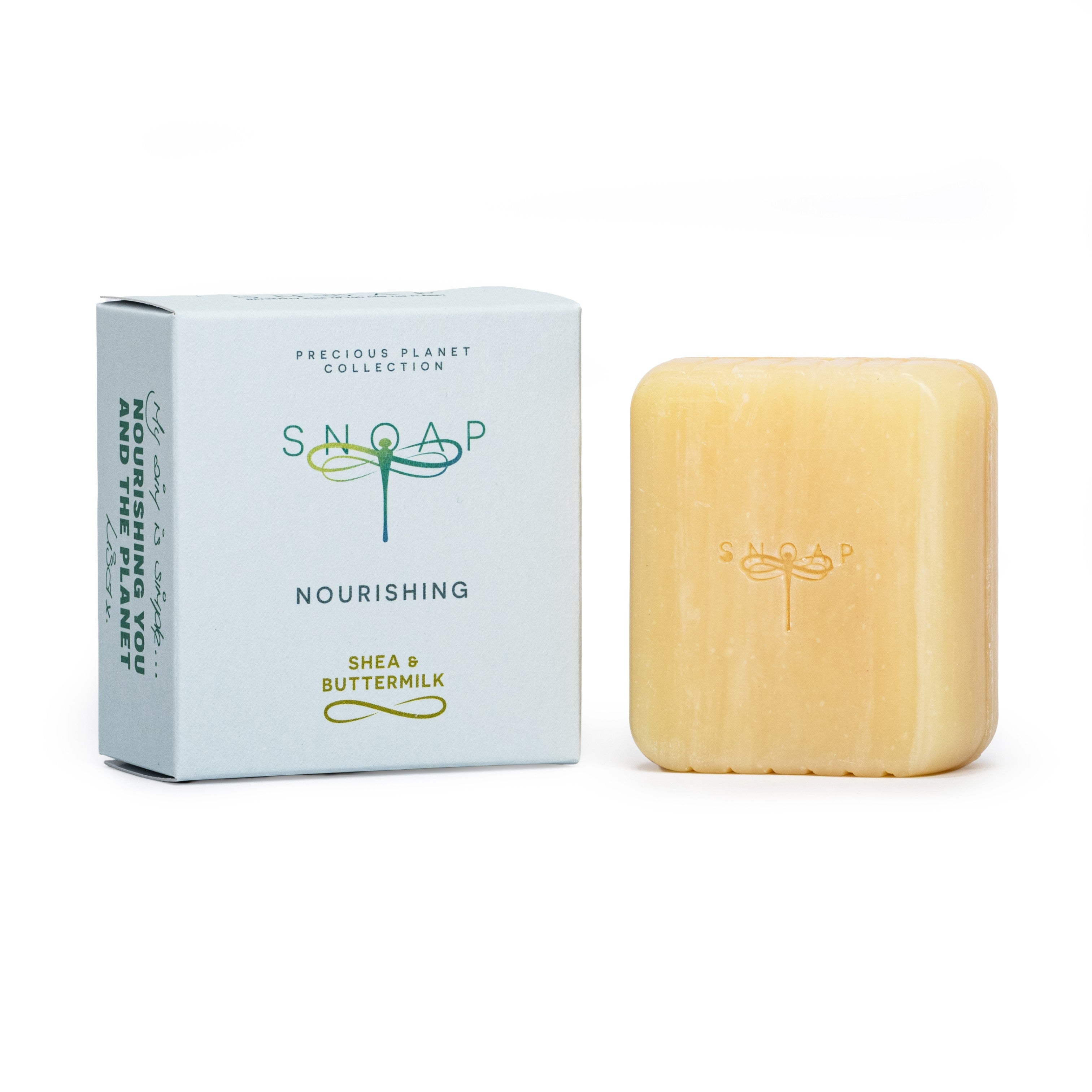
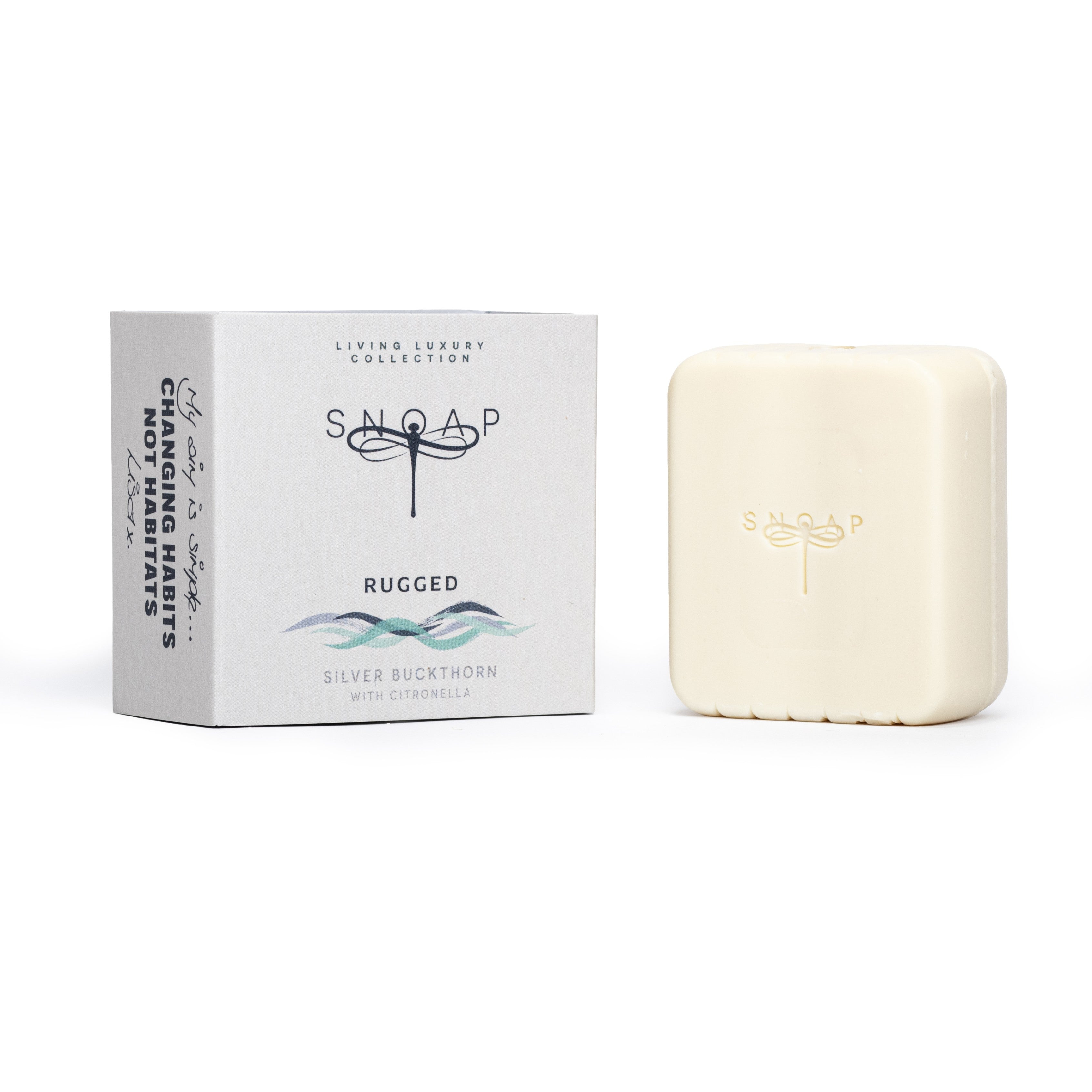
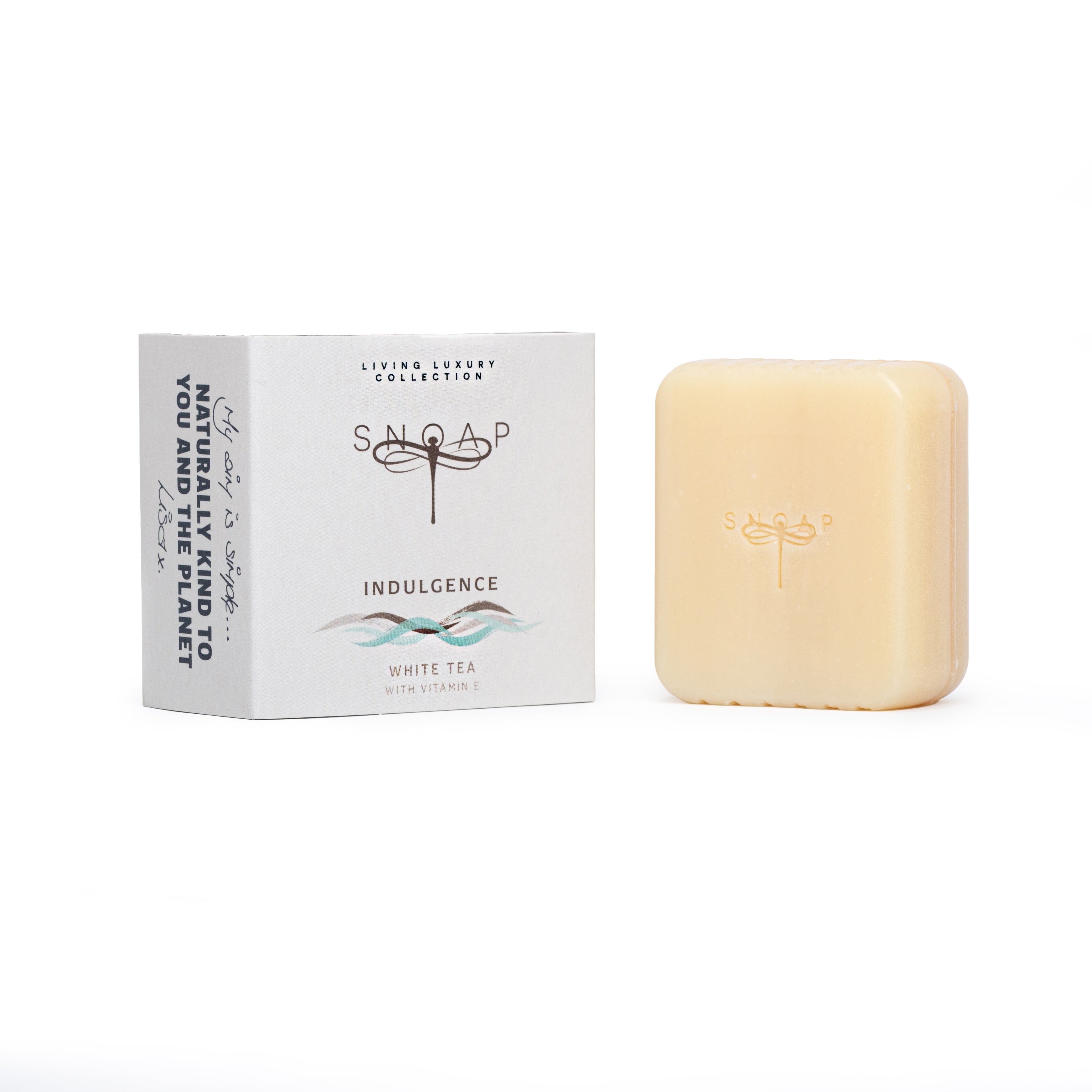
Switch to Solid Soap Bars
Liquid soap is one of the most common sources of bathroom plastic waste.
Most bottles are made from mixed plastics that are difficult to recycle, meaning the majority never get processed and instead end up in landfill or the environment only 9% of all plastic ever made has been recycled.
Solid soap bars remove this packaging entirely.

They are also highly concentrated, meaning they typically last six times longer than liquid soap.
Choosing high-quality bars made with natural ingredients can also support skin health, as many contain nourishing oils and natural moisturisers rather than synthetic detergents.
Explore the eco-friendly soap bars collection to see how simple the switch can be.
Install a Refillable Soap Dispenser System
For many households, the convenience of liquid soap is hard to give up.
That’s where refillable systems provide a practical solution.
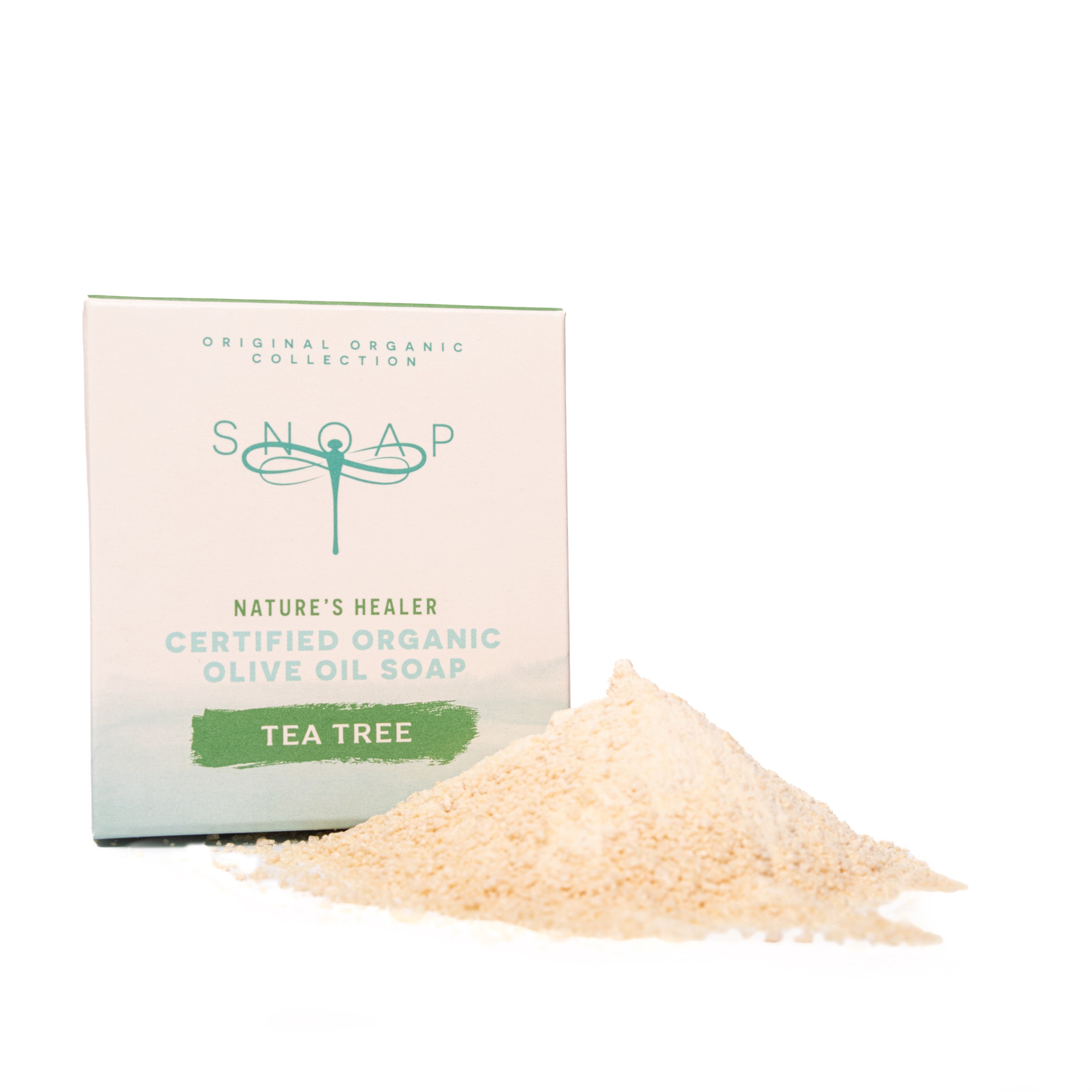
The SNOAP Refillable Soap Dispenser System transforms solid bars into a fine powder that activates instantly with water, creating a creamy lather without the need for bottled liquids.
Instead of buying disposable plastic bottles repeatedly, the dispenser is refilled with solid bars — significantly reducing packaging waste over time and removing single-use plastic altogether.
Learn more about how refillable washing works and why more households are switching.
Choose Solid Shampoo Bars
Shampoo bottles contribute significantly to bathroom plastic waste an estimated 520 million bottles per year from UK homes alone are discarded.
Solid shampoo bars eliminate this packaging entirely while offering concentrated hair care formulas.
Modern shampoo bars are carefully formulated with plant-based ingredients designed to cleanse hair gently without stripping natural oils.
Browse the shampoo bar collection to explore options designed for different hair types - we've also launched our amazing Quenching Conditioner Bar and people are loving it!
Switch to Bamboo Toothbrushes
Each year the UK discards over 300 million plastic toothbrushes.
Bamboo toothbrushes provide the same cleaning performance while using a biodegradable handle made from a renewable material.
When the brush wears out, the handle can be composted while the bristles are disposed of separately.
Use Reusable Cotton Pads
Disposable cotton pads and makeup wipes create unnecessary daily waste.
Reusable cotton or bamboo pads can be washed hundreds of times and used again.
This simple swap eliminates thousands of disposable pads over time.
Choose Long-Lasting Razors
Many disposable razors are designed for short lifespans and cannot be recycled.
Safety razors or replaceable-blade razors are designed to last for years, dramatically reducing waste and saving money in the long run.
Choose Biodegradable Personal Care Products
Many everyday beauty products contain synthetic ingredients that do not break down easily in water systems.
Choosing plant-based formulas helps reduce the impact on aquatic ecosystems and waterways.
Install a Water-Saving Shower Head
Water-efficient shower heads maintain strong pressure while using significantly less water.
This reduces both water consumption and the energy required to heat it.
IN THE KITCHEN
Stop Buying Bottled Water
A reusable water bottle can prevent hundreds of single-use plastic bottles from being purchased each year.
Tap water in the UK is safe, regulated and dramatically cheaper than bottled alternatives.
Replace Cling Film With Beeswax Wraps
Beeswax wraps can be reused for months and provide a simple alternative to single-use cling film.
Use Reusable Shopping Bags
Reusable bags reduce plastic waste and quickly become part of everyday shopping routines.
Buy Loose Fruit and Vegetables
Choosing loose produce avoids unnecessary plastic packaging and often costs less than pre-packaged alternatives.
Use Reusable Food Containers
Glass or stainless steel containers replace disposable plastic bags and help food stay fresh for longer.
Compost Food Scraps
Food waste makes up a significant proportion of household waste.
Composting diverts organic waste away from landfill and turns it into nutrient-rich soil.
Choose Refillable Cleaning Products
Concentrated cleaning refills allow households to reuse the same bottle multiple times, reducing plastic packaging significantly.
AROUND THE HOME
Switch to LED Lighting
LED bulbs use far less electricity and last significantly longer than traditional bulbs.
Reduce Standby Energy Use
Devices left plugged in continue drawing small amounts of electricity.
Switching them off completely helps reduce unnecessary energy use.
Lower the Thermostat Slightly
Reducing indoor temperatures by just one degree can reduce energy consumption noticeably.
Wash Clothes at Lower Temperatures
Modern detergents are designed to clean effectively at lower temperatures.
Air Dry Laundry
Drying clothes naturally reduces energy use and helps fabrics last longer.
SHOPPING & LIFESTYLE
Buy Second-Hand First
Pre-owned items extend product lifecycles and prevent unnecessary waste.
Support Local Businesses
Local supply chains often require less transportation, reducing environmental impact.
Choose Quality Over Quantity
Products designed to last reduce the cycle of repeated replacement.
Repair Instead of Replacing
Repair culture helps keep valuable items in use longer.
Buy Less, Choose Well
Mindful consumption remains one of the most powerful sustainable habits.
Why These Sustainable Living Tips Matter
When small daily habits change across thousands of households, the environmental impact becomes significant.
Bathroom routines alone generate enormous amounts of plastic packaging each year.
Switching from bottled liquid products to refillable solid systems is one example of how everyday behaviours can evolve.
Innovations such as refillable soap dispensers demonstrate how convenience and sustainability can work together.
The goal isn’t to change everything at once.
It’s to begin with the habits that happen every day.

The Bigger Picture
Sustainable living is less about dramatic lifestyle changes and more about rethinking everyday routines.
Washing hands, cleaning homes, preparing meals — these are daily behaviours repeated millions of times.
When those routines become more resource-efficient, the cumulative impact is powerful.
Products designed to be refilled, reused and long-lasting are part of a broader shift towards a circular economy.
This is exactly the change sustainable living aims to support.
FAQ's
What are the easiest sustainable living tips for beginners?
Start with simple daily swaps such as switching to solid soap bars, using reusable shopping bags and choosing refillable products.
Do sustainable products cost more?
Many sustainable swaps actually reduce long-term costs because they last longer and reduce repeated purchases - SNOAP refills work out at 55p per 250ml refill for example.
Is switching from liquid soap really better for the environment?
Liquid soap bottles contribute significantly to plastic waste. Refillable systems and solid bars remove much of that packaging.
Are refillable soap dispensers hygienic?
Yes. Refillable systems are designed to dispense clean product each use while reducing packaging waste.

Where should beginners start with sustainable living?
Focus on the areas of your home used most often — the bathroom and kitchen are usually the easiest places to begin.
Explore the SNOAP Refillable Soap Dispenser System →
Browse eco-friendly soap and shampoo bars →
SOURCES:
UK Waste Statistics
https://www.gov.uk/government/statistics/uk-waste-data
Energy Saving Trust – Lighting Efficiency
https://energysavingtrust.org.uk/advice/lighting/
WRAP UK – Food Waste
https://wrap.org.uk/taking-action/citizen-behaviour-change/love-food-hate-waste
Marine Conservation Society – Plastic Pollution
https://www.mcsuk.org/what-you-can-do/join-a-campaign/stop-ocean-plastic/