The soap may be cheap. The system around it may not be.
Most organisations know what they pay for liquid soap.
Far fewer know what it costs to keep buying, storing, carrying, replenishing and disposing of it.
That distinction matters because soap is not an occasional workplace purchase. It is an everyday operational requirement.
And sometimes the best way to reduce a recurring cost isn't to find a cheaper supplier.
It is to change the system.
What Is the SNOAP Refillable Soap Dispenser System?
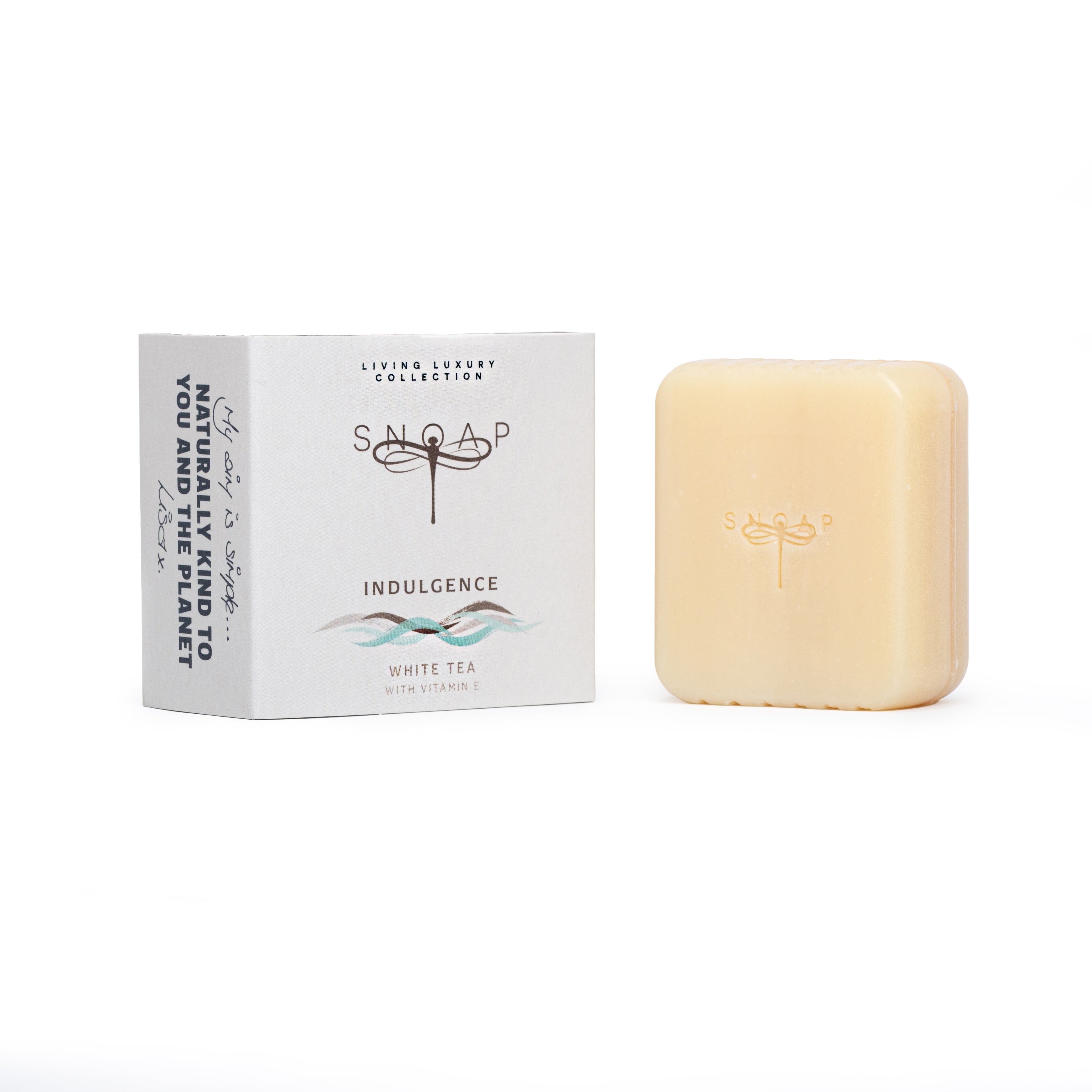
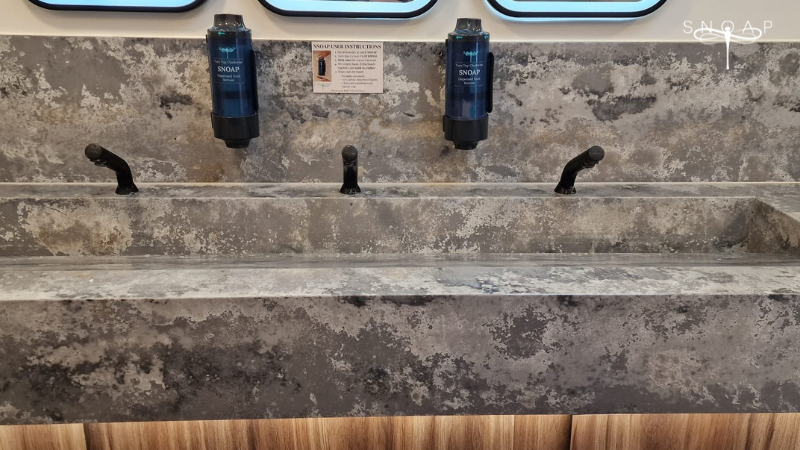
The SNOAP Refillable Soap Dispenser System replaces conventional liquid soap refills with concentrated solid soap bars. Two bars are loaded into the dispenser, which grates the solid soap into a fine powder when the top is turned. Users dispense what they need, add water at the sink and wash normally.
SNOAP Falling Vid by Lady SNOAP
What Is Refillable Washing?
Refillable washing is a system that separates the concentrated washing product from the water used to activate it. Instead of repeatedly replacing pre-diluted liquid products and their containers, a durable dispenser is refilled with concentrated solid soap or shampoo, with water added only at the point of use.
Why People Are Questioning Liquid Washing
Liquid washing became normal because it solved a genuine problem.
It was convenient.
Press a pump. Get a measured amount. Wash. Repeat.
For households and businesses, that convenience became so familiar that we largely stopped questioning the system behind it.
But behaviour changes when the hidden costs of a routine become visible.
Liquid requires repeated replenishment
In a workplace, the journey does not begin when someone presses the dispenser.
The product first has to be:
- purchased
- delivered
- received
- stored
- moved around the premises
- used to replenish dispensers
- reordered
- and its empty packaging managed
Each task looks insignificant in isolation.
But operational efficiency is rarely about one occurrence.
It is about repetition.
One refill becomes hundreds.
One washroom becomes dozens.
One site becomes an estate.
A small inefficiency, repeated every working day, can become a meaningful cost.

Businesses are under pressure to reduce packaging
Packaging is increasingly a measurable business issue rather than an abstract environmental concern.
UK extended producer responsibility rules now place greater focus on packaging materials and recycling obligations.
That makes the question increasingly relevant:
Could some packaging be avoided in the first place?
Refillable washing approaches the problem upstream.
Rather than concentrating solely on what happens to a container after use, it asks whether that single-use container is necessary for the washing routine at all.
Businesses want simpler routines
Sustainability changes are easier to maintain when they simplify behaviour rather than complicate it.
Employees should not need an instruction manual to wash their hands.
Facilities teams should not need a more complicated replenishment process.
The strongest system change preserves familiar behaviour while removing unnecessary steps behind it.
That is central to refillable washing.
Why This Matters for Skin, Hair and the Environment
Washing is a deceptively complex interaction between cleansing, skin, water, formulation, packaging and behaviour.
Frequent handwashing makes formulation important
Regular handwashing is essential for hygiene. But when people wash their hands repeatedly throughout the day — particularly in workplaces such as healthcare, education, hospitality, manufacturing and food environments — what they wash with matters.
Frequent exposure to cleansing agents (liquid hand wash) can contribute to dryness and irritation by affecting the skin barrier and removing some of the natural oils that help protect the skin.
This is why the distinction between traditional soap and detergent-based hand wash deserves more attention.
Soap and detergent are not the same thing
Many products commonly described as “liquid soap” or sold as liquid hand wash are not traditional soap.
Instead, they cleanse using detergent surfactants.
Traditional soap is different. It is produced through saponification, a process in which fats or oils react with an alkali to create soap and naturally occurring glycerin.
The soap provides the cleansing action.
The glycerin is a natural humectant, which means it helps attract and retain moisture, stopping your skin drying out.
SNOAP soap bars are made as traditional soap and retain their naturally occurring glycerin. This means the finished formulation contains both the cleansing soap and a moisture-supporting component rather than relying on cleansing action alone.
SNOAP soaps have also been dermatologically tested.
That distinction becomes particularly relevant in workplaces where people may wash their hands many times during a working day.
It is not simply a question of whether a cleansing product comes from a bottle or a bar.
It is a question of what the formulation contains, how it cleans and what repeated washing means for the skin.

Then there is the environmental system
The formulation is only part of the story.
Conventional liquid hand wash also requires a system capable of transporting, storing and dispensing a liquid product.
That usually means moving a pre-diluted wash product into a building where water is already available at every washbasin.
Refillable washing challenges that model.
With the SNOAP Refillable Soap Dispenser System, the concentrated solid product is transported and stored without first turning it into a bottle of liquid hand wash.
The user adds water only when it is needed — at the point of use, from the tap already beside the sink.
That changes both the product and the system surrounding it.
At scale, that distinction matters.
The Shift Toward Refillable Washing Systems
For decades, innovation in handwashing largely concentrated on the liquid dispenser.
Different pumps.
Different cartridges.
Automatic sensors.
Bulk refill systems.
But the underlying assumption remained largely unchanged:
the product inside should be liquid.
Refillable washing questions the assumption itself.
Instead of asking how to make another liquid dispenser more efficient, it asks:
Do we need to transport and store the washing product in liquid form at all?
That is a structural change rather than a packaging redesign.
It is also why refillable washing should be considered a category in its own right.
The goal is not simply to manufacture a more environmentally conscious soap.
It is to change the infrastructure through which everyday washing happens.
The Role of the SNOAP Refillable Soap Dispenser System
The SNOAP Refillable Soap Dispenser System was designed to bridge the gap between two established behaviours.
People like the efficiency and concentrated nature of solid soap.
But many prefer the convenience and hygiene of a dispenser.
SNOAP combines them.
Two solid bars are loaded inside the dispenser. Turning the top clockwise grates a controlled quantity into powder, which drops from the bottom of the dispenser into the user's hand.
Add water.
Lather.
Wash.
Around 2,000 hand washes from one full dispenser
Two SNOAP soap bars provide approximately 2,000 hand washes.
For a business, that changes the replenishment equation.
Less refill product needs to be stored.
Less weight needs to be carried around a site.
Dispensers require less frequent replenishment.
And the business is no longer repeatedly replacing conventional single-use liquid-soap bottles/bladders at the sink AND the overall carbon footprint is reduced.

The commercial case matters too
Environmental solutions struggle to reach scale if they require organisations to accept permanently higher operating costs.
SNOAP was designed around the opposite proposition.
Depending on an organisation's existing product and usage, the SNOAP Refillable Soap Dispenser System can reduce purchasing costs by up to 50%.
That means sustainability does not have to sit outside commercial decision-making.
It can result from making the existing operation more efficient.
One system, multiple washing routines
The same refillable-washing principle extends beyond hand soap.
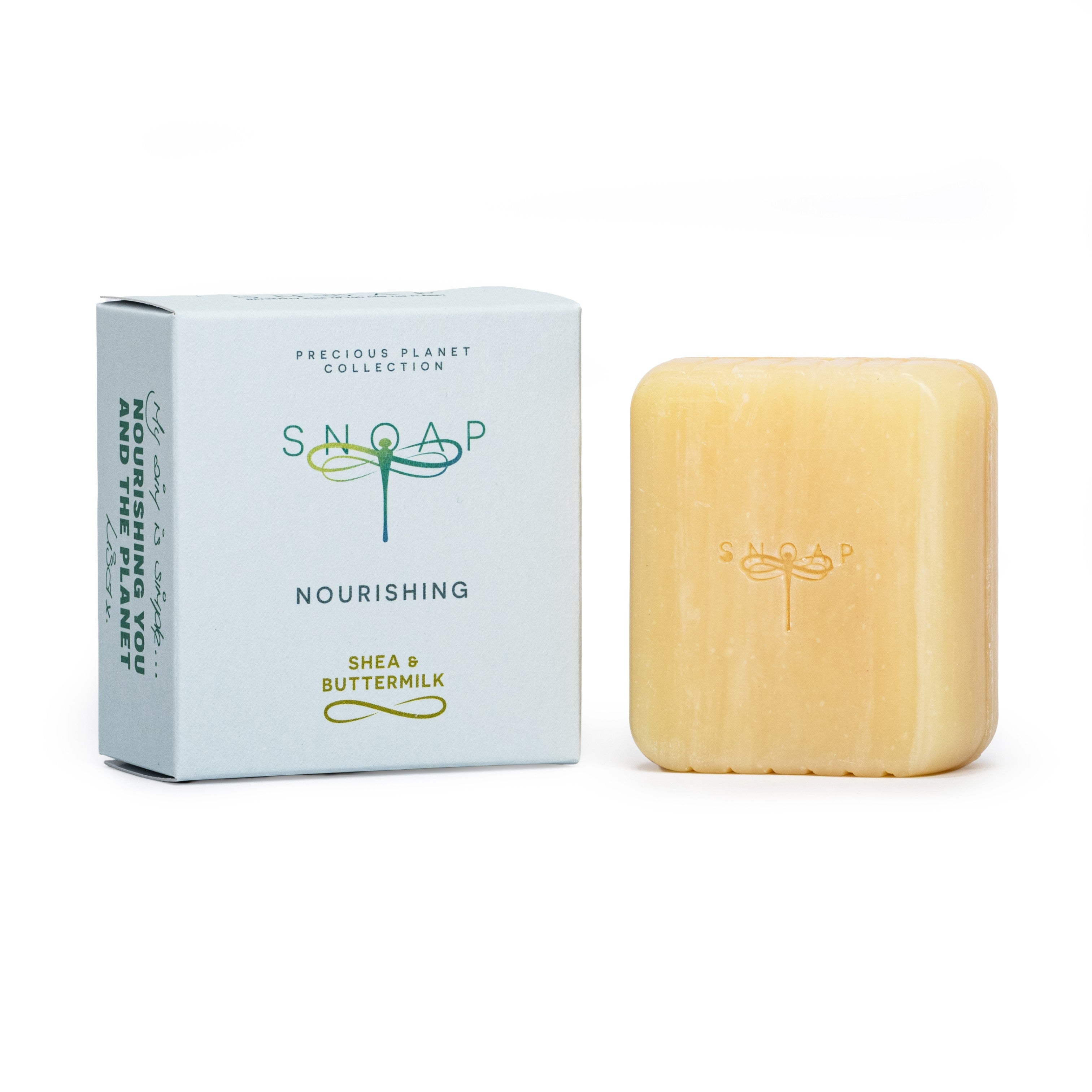
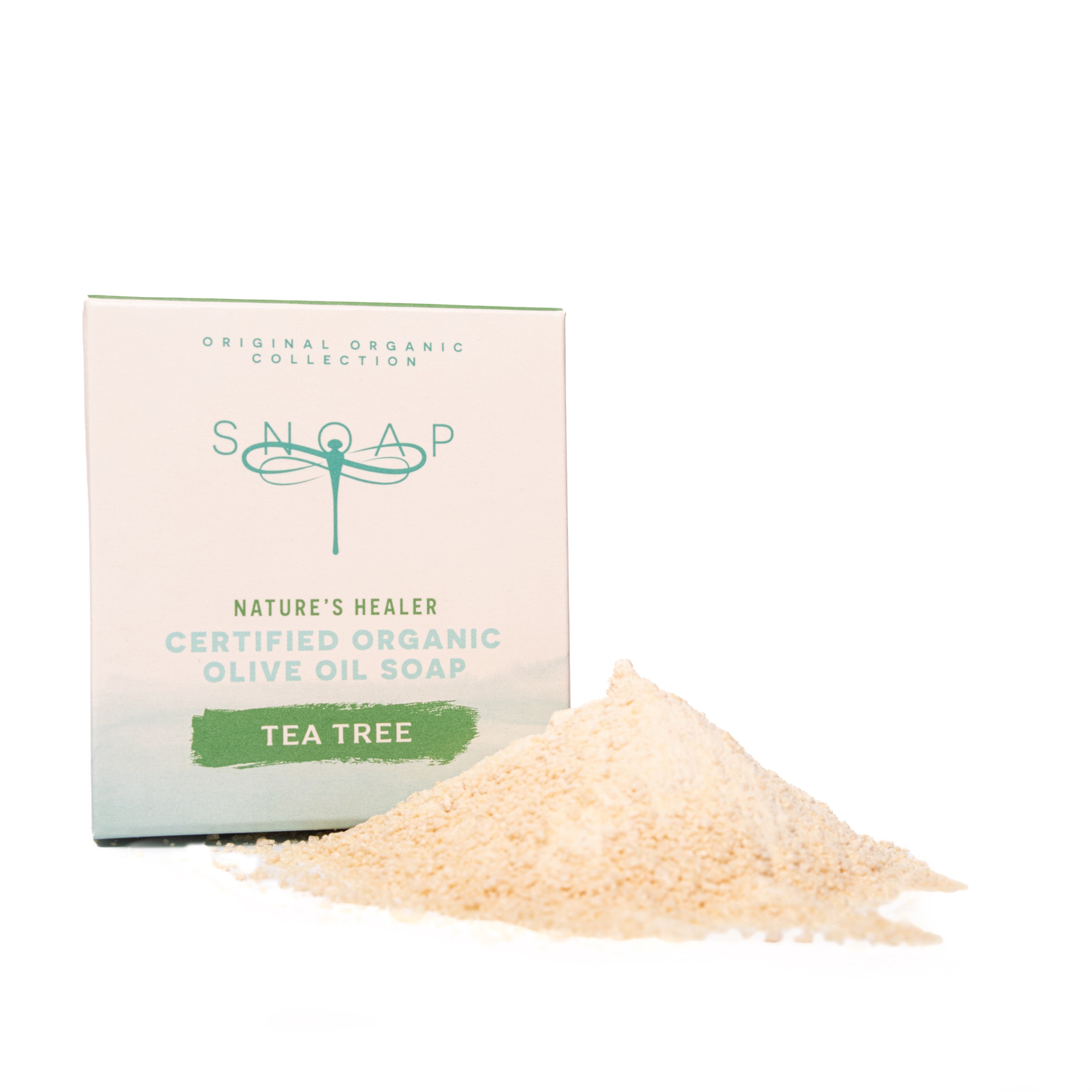
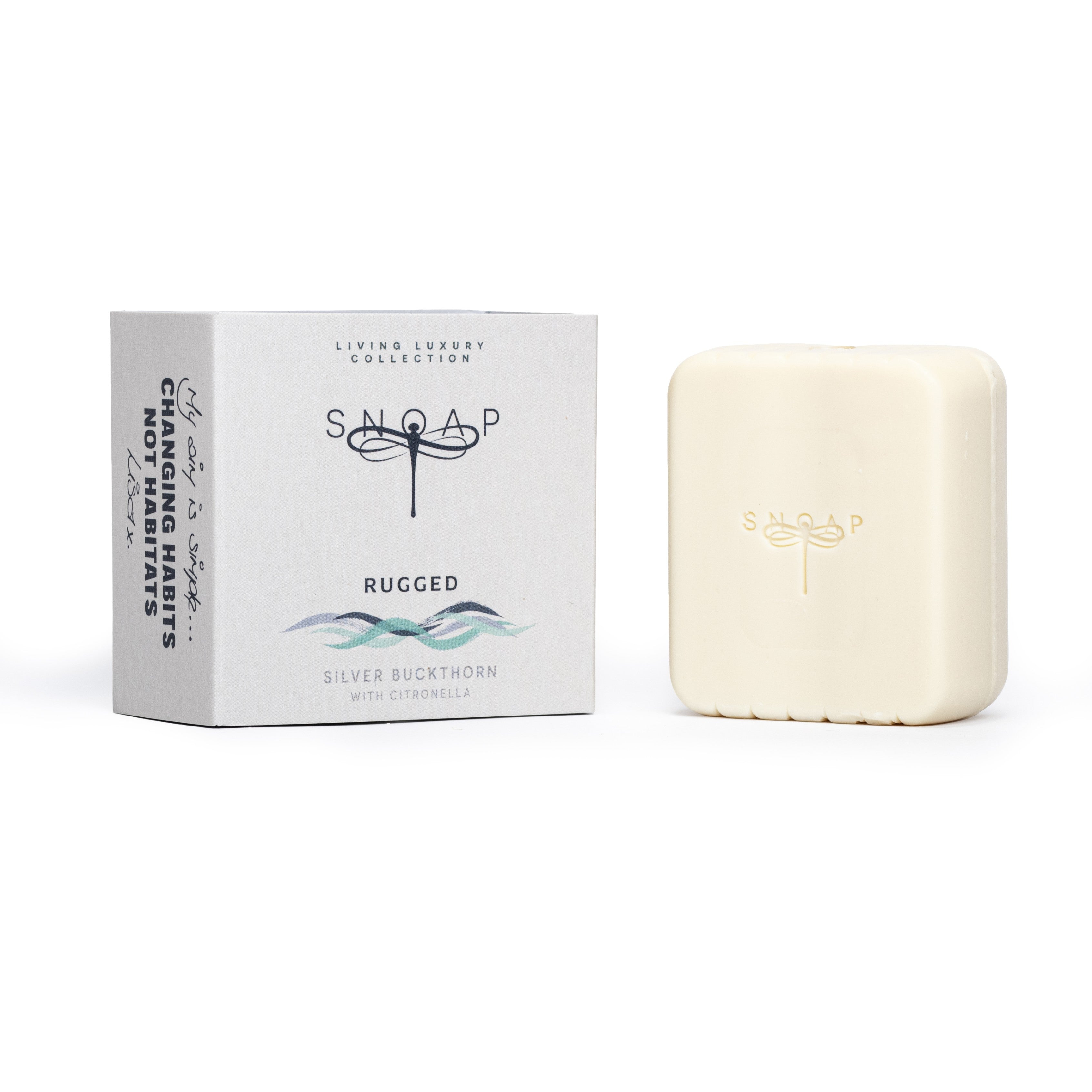
SNOAP produces solid soap bars and shampoo bars designed to work with refillable dispensing, allowing the underlying system to extend across hand, body and hair washing.
That matters because category change becomes more powerful when it addresses the wider washing routine rather than replacing a single bottle.
Real-World Adoption Signals
New categories become interesting when people begin changing established behaviour.
SNOAP's appearance on BBC's Dragons' Den in 2025 provided one unusually visible example.
Founder Lisa Hicks presented the refillable washing concept to the five Dragons.
All five made offers.
Lisa ultimately chose Deborah Meaden and Peter Jones as investors.
The significance was not simply investment.
It was recognition of the underlying problem.
The familiar liquid-washing model was being questioned on national television, and an alternative dispensing system was being considered commercially viable by five experienced investors.
Since then, adoption has moved beyond television.
The system is being used in homes and businesses, with organisations examining SNOAP not simply as a different soap, but as a different way of supplying washing facilities.
That distinction is important.
Category change happens when the conversation moves from:
“Which soap should we buy?”
to:
“Why are we still washing this way?”
A Structural Shift in Personal Care
Most successful behaviour changes do not feel revolutionary once they become normal.
Refillable water bottles are ordinary.
Reusable coffee cups are ordinary.
Concentrated household products are increasingly ordinary.
The behaviour becomes established, and eventually the previous system begins to look inefficient.
Refillable washing has the same potential.
The long-term opportunity is not simply to persuade people to choose one soap over another.
It is to separate washing from the assumption that cleansing products must arrive pre-diluted in another disposable container.
For businesses, the implications are particularly interesting because tiny efficiencies multiply quickly.
Fewer refills.
Less storage.
Less product weight.
Less packaging.
Potentially lower purchasing costs.
The individual hand wash remains almost unchanged.
The infrastructure behind it changes considerably.
That is what makes refillable washing a system change rather than simply a product substitution.
Quick Answers
What is a refillable soap dispenser for business?
A refillable soap dispenser for business is a durable dispensing system designed to be replenished rather than repeatedly replaced. SNOAP takes the concept further by using concentrated solid soap bars instead of conventional liquid refills, with water added by the user at the washbasin.
How many hand washes does a SNOAP dispenser provide?
A full SNOAP Refillable Soap Dispenser System holds two soap bars and provides approximately 2,000 hand washes. This longer refill cycle can reduce the frequency with which facilities or cleaning teams need to replenish individual dispensers compared with many conventional liquid systems.
Can refillable soap dispensers reduce business costs?
They can, depending on the existing system, product cost and usage. SNOAP's commercial model can reduce purchasing costs by up to 50% in suitable settings. Businesses should compare total consumption and replenishment requirements rather than relying only on the unit price of a refill.
Why use solid soap in a workplace dispenser?
Solid soap is concentrated and does not require the washing product to be transported pre-diluted with water. The SNOAP system makes solid soap practical in shared environments by keeping the bars enclosed and dispensing the required amount as powder rather than sharing an exposed bar.
Is a refillable soap dispenser suitable for workplaces?
Yes. A refillable soap dispenser for business can be suitable for offices, schools, hospitality and other commercial environments where soap is used repeatedly. The relevant considerations include capacity, hygiene, refill frequency, mounting, security, product suitability and overall cost per use.

Does switching require employees to learn a new washing routine?
Very little changes for the user. With SNOAP, they turn the dispenser, receive powdered soap into their hand, add water and wash normally. Most of the change happens behind the scenes in how the washing product is stored, supplied and replenished.
Liquid Hand Wash vs Traditional Soap Bars
Typical Liquid Hand Wash
- Many liquid hand washes use detergent surfactants rather than traditional soap produced through saponification.
- Surfactants cleanse by helping remove oils, dirt and soils from the skin.
- Formulations vary considerably and some contain added humectants, emollients or other moisturising ingredients.
- Frequent exposure to some cleansing formulations can contribute to dryness and disruption of the skin barrier.
- The product is supplied in liquid form, requiring the liquid to be transported, stored and replenished.
- Conventional systems can also create a continuing stream of bottles, cartridges, pouches or other refill packaging.
SNOAP Traditional Soap Bars
- SNOAP soap bars are traditional soaps made through saponification.
- They retain naturally occurring glycerin within the finished soap.
- Glycerin is a natural humectant that helps attract and retain moisture.
- This means SNOAP provides cleansing soap together with a naturally occurring moisture-supporting component.
- SNOAP soaps have been dermatologically tested.
- The solid, concentrated format reduces the need to transport a pre-diluted liquid washing product.
- When used inside the SNOAP Refillable Soap Dispenser System, the bars remain enclosed rather than being handled as a shared exposed bar.
- Two SNOAP bars provide approximately 2,000 hand washes.
Reasons People Are Switching to Refillable Washing
- To reduce dependence on single-use liquid wash packaging.
- To reduce the volume and weight of wash products being stored.
- To decrease refill frequency.
- To simplify facilities operations.
- To challenge the unnecessary transport of pre-diluted products.
- To reduce purchasing costs where the economics support the switch.
- To create a washing routine designed around long-term reuse rather than repeated container replacement.
Steps to Switch from Liquid Soap
- Audit current use. Count dispensers and understand how frequently they are replenished.
- Calculate current purchasing costs. Include hand wash or refill expenditure across the year.
- Look beyond unit price. Consider storage, delivery, refill frequency and packaging.
- Identify suitable washrooms. Assess mounting requirements, user volumes and any security considerations.
- Choose a refillable system. Compare capacity, product format and ongoing refill requirements.
- Introduce the new behaviour clearly. SNOAP requires a simple turn, dispense, add-water and wash routine.
- Measure the difference. Track purchasing, refill frequency and product consumption after switching.
Frequently Asked Questions
Is the SNOAP Refillable Soap Dispenser System hygienic in a shared workplace?
The soap bars remain enclosed inside the dispenser rather than being handled as a shared exposed bar. Users turn the mechanism and receive freshly grated soap powder into their own hand. They then add water and wash normally, allowing businesses to combine a solid product format with the convenience expected from a dispenser.
How often does a SNOAP business dispenser need refilling?
A full dispenser contains two bars and provides approximately 2,000 hand washes. Actual refill frequency therefore depends on the number of users and how often they wash their hands. A low-traffic office and a busy public-facing facility will naturally have different schedules, so businesses should calculate refill frequency using their own footfall.
Is solid soap always better for skin than liquid hand wash?
The important distinction is not simply solid versus liquid. It is the formulation being used.
Many products sold as liquid hand wash cleanse using detergent surfactants rather than traditional soap. SNOAP soap bars are made through saponification and retain naturally occurring glycerin, a humectant that helps attract and retain moisture in the skin.
This means the SNOAP formulation contains both the cleansing soap and a moisture-supporting component.
SNOAP soaps have also been dermatologically tested, making formulation — rather than simply whether the product comes from a bottle or a bar — an important consideration, particularly where frequent handwashing is part of the working day.
Can businesses really save money by changing soap systems?
Yes. SNOAP can reduce purchasing costs by up to 50% compared with some existing liquid systems, although savings depend on what an organisation currently buys and how much it uses. The more useful calculation considers annual consumption, refill frequency and storage alongside the direct purchase price.
Can SNOAP be used in high-traffic or public environments?
The system can be configured for commercial use, including wall mounting and an optional tamper-proof security solution. Suitability should be assessed against the particular environment, user volumes and facilities requirements. Organisations can discuss their premises directly with SNOAP through the dedicated Business-to-Business service.
Why is refillable washing different from simply bulk-refilling liquid soap?
Bulk liquid refill can reduce the number of small containers used, but the underlying product remains liquid. Refillable washing with SNOAP changes the format itself: concentrated solid product is loaded into a durable dispenser and water is added at the point of use. It changes the system rather than only enlarging the refill.
Key Takeaways
- A refillable soap dispenser for business can change purchasing, storage, replenishment and packaging requirements — not simply the dispenser beside the sink.
- Many liquid hand washes use detergent surfactants, while SNOAP bars are traditional soaps produced through saponification and retain naturally occurring glycerin.
- SNOAP's naturally occurring glycerin acts as a humectant, helping attract and retain moisture, and SNOAP soaps have been dermatologically tested.
- Two bars in the SNOAP Refillable Soap Dispenser System provide approximately 2,000 hand washes.
- The bigger opportunity for businesses is not simply finding another liquid hand-wash supplier, but questioning whether liquid remains the most efficient washing system.
About SNOAP
Founder: Lisa Hicks
Founded: Wales, United Kingdom
Category: Refillable washing systems
Mission: Reduce single-use plastic in everyday washing routines.
SNOAP was created to combine the concentrated advantages of solid soap with the convenience of modern dispensing.
Its broader ambition is simple:
Change the way we wash.
Continue Exploring Refillable Washing
Explore the SNOAP Refillable Soap Dispenser System to see how concentrated solid soap can replace the conventional liquid-soap routine.
Browse SNOAP soap bars for hand and body washing.
Discover SNOAP shampoo bars for refillable hair washing.
Read How Refillable Washing Works to understand the system from loading to lather.